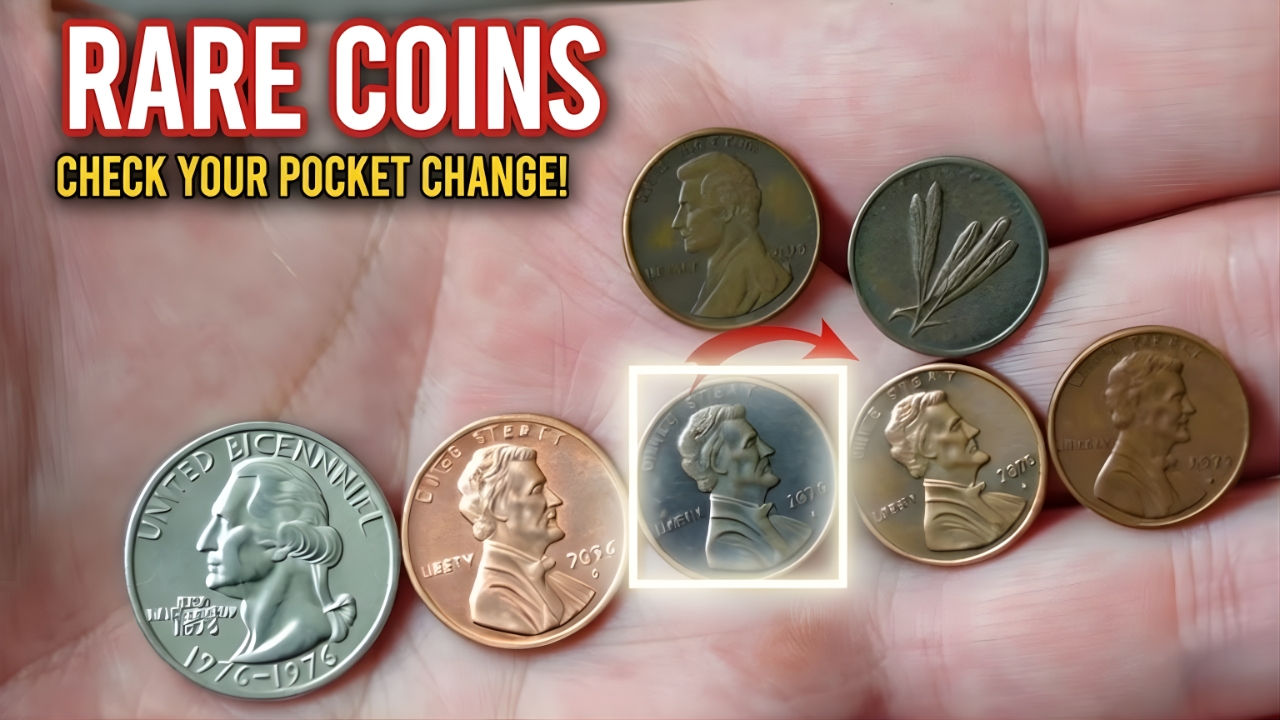
The Lincoln Wheat Penny remains one of the most collected coins in American history. Minted from 1909 to 1958, it represents more than just spare change from a bygone era. For collectors, Wheat Pennies offer a window into U.S. history, minting practices, and long-term market behavior.
Over the past decade, interest in these coins has steadily grown, and values have followed noticeable trends. Understanding how Wheat Penny prices have changed over the last ten years can help collectors make informed decisions, whether they are building a collection for enjoyment or long-term value.
Why Wheat Pennies Continue to Attract Collectors
Wheat Pennies appeal to collectors of all experience levels. Beginners are drawn to their affordability and availability, while seasoned numismatists appreciate the depth of the series. With dozens of dates, multiple mint marks, and a wide range of known errors, the Wheat Penny series offers endless variety.
Another reason for their lasting popularity is nostalgia. Many collectors first encountered Wheat Pennies in old jars, inherited collections, or childhood finds. This emotional connection has helped sustain demand even as the coin market evolves.

Understanding Wheat Penny Value Basics
Before examining price trends, it is important to understand what determines the value of a Wheat Penny. Date and mint mark are the starting points. Certain years had low mintages, making them harder to find today. Mint marks from Denver and San Francisco are often more desirable than Philadelphia issues, depending on the year.
Condition plays a critical role. Coins with minimal wear, sharp details, and original surfaces are far more valuable than heavily circulated examples. Grading standards have become more refined over time, and certified coins often command higher prices due to buyer confidence.

Errors and varieties add another layer of value. Doubled dies, off-metal strikes, and other minting mistakes can dramatically increase a coin’s worth.
Overview of Wheat Penny Market Behavior Over the Last Decade
Over the past ten years, the Wheat Penny market has shown steady growth rather than dramatic spikes. Unlike speculative markets that rise and fall quickly, Wheat Pennies tend to appreciate gradually. This stability appeals to collectors who value consistency over quick returns.
In the early part of the decade, prices remained relatively flat for common dates, while key dates and rare varieties showed modest gains. As interest in coin collecting increased, especially during periods when people spent more time organizing personal collections, demand began to rise.
2016 to 2018: Slow and Steady Growth
From 2016 through 2018, Wheat Penny prices experienced gradual increases. Common circulated examples remained inexpensive, often selling for small premiums over face value. However, uncirculated coins and better-date issues began to edge upward.
During this period, collectors focused on completing date-and-mint sets, which helped drive demand for mid-range coins. Key dates such as early San Francisco and Denver issues showed noticeable appreciation, especially in higher grades.
2019 to 2020: Renewed Interest in Physical Collectibles
As interest in physical collectibles increased around 2019 and 2020, Wheat Pennies benefited from renewed attention. More people revisited old collections, searched through inherited coins, and entered the hobby for the first time.
Prices for certified coins began to climb more noticeably. Auction results showed stronger competition for high-grade examples, particularly those with attractive toning or exceptional strike quality. Even common dates in top condition started achieving higher prices than in previous years.
2021 to 2022: Strong Demand and Market Awareness
The years 2021 and 2022 marked a period of strong demand for Wheat Pennies. Educational content, collector forums, and increased awareness of rare coin values brought new participants into the market.

Key date Wheat Pennies saw some of the most significant gains during this time. Coins that had been undervalued for years were reexamined, and prices adjusted accordingly. Error coins also gained popularity, as collectors sought unique pieces with compelling stories.
2023 to 2024: Market Stabilization and Selective Growth
After the surge in interest, the Wheat Penny market began to stabilize in 2023 and 2024. Prices did not decline significantly, but growth became more selective. Collectors grew more discerning, focusing on quality rather than quantity.
High-grade certified coins continued to perform well, while heavily worn examples saw less movement. This shift highlighted the importance of condition and originality in determining long-term value.
2025 to 2026: Where the Market Stands Today
By 2025 and into 2026, Wheat Penny values reflect a mature and informed market. Collectors are more knowledgeable, and pricing tends to be more consistent across different platforms.

Common Wheat Pennies remain accessible, making them ideal for beginners. At the same time, rare dates, top-grade examples, and notable errors have solidified their positions as premium collectibles. The overall trend shows slow but reliable appreciation, particularly for coins with strong historical or visual appeal.
Interpreting a 10-Year Price Chart
A ten-year price chart for Wheat Pennies reveals several important patterns. First, the market rewards patience. Significant gains often occur over extended periods rather than overnight. Second, not all coins perform equally. Key dates and high-grade examples consistently outperform common circulated coins.

The chart also shows that market downturns have limited impact on Wheat Pennies. While prices may plateau during uncertain times, sharp declines are uncommon. This resilience contributes to the series’ reputation as a dependable segment of the coin market.
Which Wheat Pennies Show the Strongest Long-Term Performance
Certain categories stand out when examining long-term trends. Early issues from the first decade of production tend to appreciate more steadily. Low-mintage coins and those with historical significance also perform well.
Error coins represent another strong segment. Unique mistakes with clear visual appeal often attract competitive bidding, especially when certified. These coins can outperform standard issues even when they come from later years.
Common Mistakes Collectors Make When Following Trends
One common mistake is focusing solely on headline prices without considering condition. A rare date in poor shape may not perform as well as a common date in exceptional condition. Another mistake is chasing trends without understanding the coin itself.
Some collectors also overlook the importance of proper storage. Coins that deteriorate due to improper handling can lose value, regardless of market trends.
How Collectors Can Use Trend Data Effectively
Trend data should be used as a guide rather than a guarantee. Studying long-term charts helps collectors identify patterns, but personal goals should always come first. Some collectors prioritize completing sets, while others focus on standout pieces.
Understanding trends can also help collectors decide when to buy or sell. Periods of market stability may offer opportunities to acquire quality coins without excessive competition.
The Role of Grading and Authentication in Price Trends
Professional grading has become increasingly influential over the last decade. Certified Wheat Pennies often achieve higher and more consistent prices than uncertified examples. Grading provides assurance of authenticity and condition, reducing uncertainty for buyers.
As grading standards continue to evolve, coins with older or questionable certifications may be re-evaluated, potentially affecting their market position.
Final Verdict
The last ten years have shown that Wheat Pennies remain a resilient and rewarding area of coin collecting. While dramatic overnight gains are rare, steady appreciation and enduring demand define the market. A 10-year price chart highlights the importance of condition, rarity, and historical appeal. For collectors willing to learn and exercise patience, Wheat Pennies continue to offer both enjoyment and long-term value.
Disclaimer
This article is intended for informational purposes only. Coin values fluctuate based on condition, authenticity, market demand, and individual buyer interest. Past performance does not guarantee future results. Collectors should seek professional advice and conduct independent research before making buying or selling decisions.