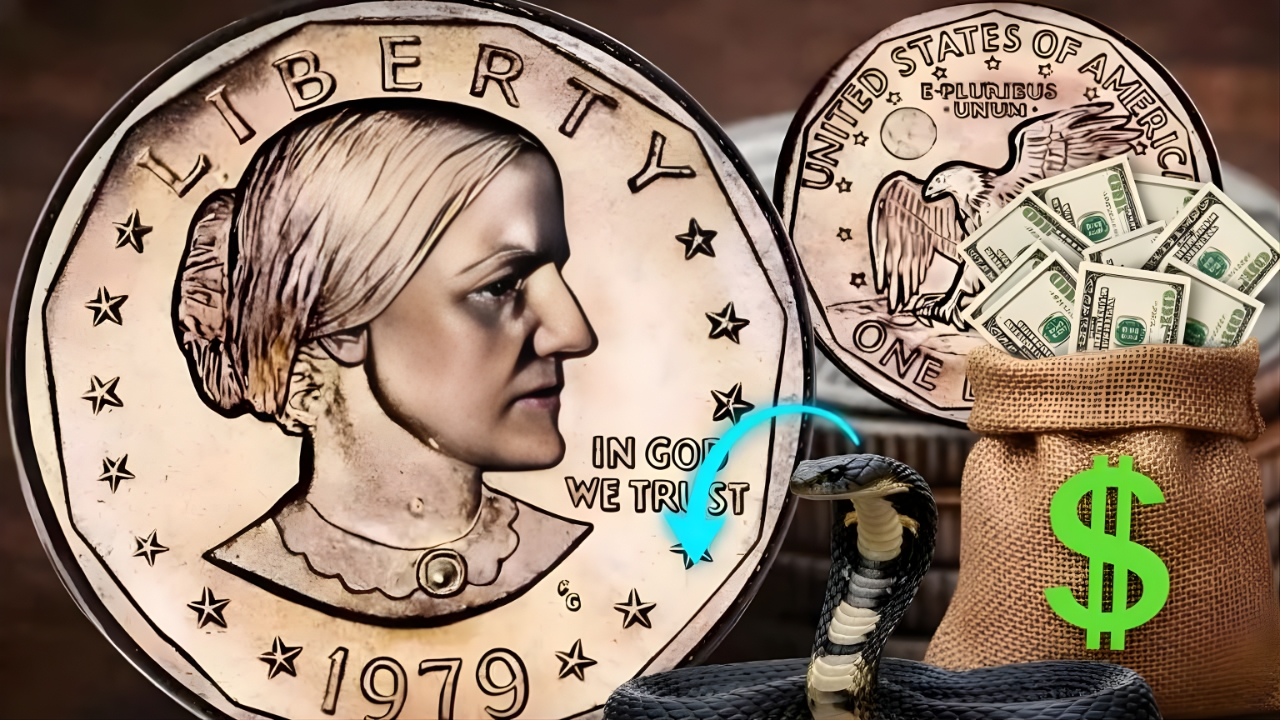
The world of coin collecting continues to captivate both hobbyists and serious investors, and 2026 is shaping up to be an exciting year for U.S. coins. While most coins are worth only their face value, certain quarters and pennies have captured the attention of collectors due to rarity, errors, historical significance, or condition.
These coins can command thousands of dollars, making them highly sought after in the numismatic market. Understanding which coins are valuable, why they stand out, and how to identify them is essential for anyone looking to build or expand a collection.
Why U.S. Coins Hold Value
Coins hold value for several reasons beyond their face value. First, rarity plays a major role. Coins with low mintages, errors, or unique features are naturally scarce, increasing their desirability. Second, condition is critical. Coins in uncirculated or near-mint condition are often worth exponentially more than circulated examples.
Third, historical significance can enhance value. Coins that were minted during notable years or commemorate specific events often become collectibles. Finally, market demand influences prices. When collectors actively seek certain coins, competition drives values higher.
U.S. quarters and pennies are particularly appealing because they were widely circulated for decades, yet certain dates and mint marks remain rare or unusual. This combination of availability and scarcity creates a dynamic market for collectors.
Key Pennies Worth Collecting in 2026
Lincoln Wheat Pennies
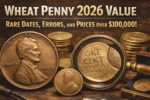
Lincoln Wheat Pennies, minted from 1909 to 1958, remain a cornerstone of coin collecting. Some of the most valuable examples are key dates or errors:
1909-S VDB: Struck in San Francisco with designer Victor David Brenner’s initials on the reverse, this penny is among the rarest in the series. High-grade examples can command tens of thousands of dollars.
1914-D: With a low mintage and historical significance, the Denver-minted penny is highly sought after by collectors.
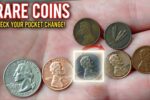
1922 No D: A minting error from Denver, where the mint mark is missing, makes this coin exceptionally rare.
1943 Bronze: Most 1943 pennies were struck in steel due to wartime copper shortages. A few bronze planchets were mistakenly used, creating one of the most valuable error pennies.
1955 Doubled Die: This error shows noticeable doubling on the obverse date and lettering, making it one of the most iconic collectible pennies.
Collectors should carefully examine the date, mint mark, and condition of Lincoln Wheat Pennies. Coins with clear errors or strong visual appeal are especially valuable. Professional grading can verify authenticity and significantly increase market value.
Lincoln Memorial Pennies
Minted from 1959 to 2008, Lincoln Memorial pennies are generally more common, but certain errors and low-mintage issues are worth thousands:
1969-S Doubled Die Obverse: One of the most famous modern errors, showing prominent doubling of the date and letters.
1983 Doubled Die Reverse: While most coins from this year are common, error examples can be rare and highly desirable.
Key Low-Mintage Varieties: Some Lincoln Memorial pennies have lower production numbers in specific years or mint locations, enhancing their collector value.
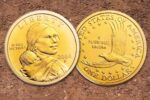
Even though these pennies are younger than Wheat Pennies, certain errors and high-grade specimens make them worthwhile for serious collectors.
Valuable Quarters to Watch in 2026
Washington Quarters
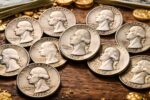
The Washington quarter series, introduced in 1932, includes many coins that have become valuable:

1932-D and 1932-S: The first year of issue coins from Denver and San Francisco are rare in high grades due to limited mintages.
1945-S Silver Quarter: Coins from the San Francisco mint during the late war years often have strong collector demand.

1950-D Over S: This mint mark error shows a D struck over an S, creating a rare variety prized by collectors.
State Quarters and Modern Issues
The 50 State Quarters program (1999–2008) and America the Beautiful Quarters program (2010–2021) have introduced collectible coins with unique designs and occasional errors:
1999-P Delaware Doubled Die: An off-center or doubled design can significantly increase value.
2004-D Wisconsin Extra Leaf: A famous error showing an extra leaf on the corn stalk.
2010–2021 America the Beautiful Errors: Misstrikes, doubled dies, or off-center coins from this series can be unexpectedly valuable in high-grade condition.
Collectors should inspect state and modern quarters for unusual features, die cracks, or design anomalies, which may indicate rare varieties.
Factors That Affect 2026 Coin Values
Several critical factors determine the value of quarters and pennies in 2026:
Condition and Grading: Coins in uncirculated or proof condition consistently command the highest premiums. Professional grading provides authentication and increases market confidence.
Rarity: Low mintage coins, limited distribution errors, or unusual production varieties are far more valuable than common examples.
Historical Significance: Coins tied to notable events, such as wartime minting or first-year issues, are often more desirable.
Market Demand: Collector interest fluctuates over time. Coins that capture attention in auctions or online marketplaces may see temporary spikes in value.
Understanding these factors is essential for identifying coins with long-term investment potential.
Tips for Collectors in 2026
Collectors aiming to maximize their investments and enjoyment should consider several strategies:
Examine Every Coin Carefully: Look for mint marks, errors, doubling, or unusual wear patterns.
Use Proper Tools: Magnifying glasses, digital microscopes, and reference guides help identify key details.
Seek Professional Authentication: High-value coins should be certified by recognized grading services.
Preserve Properly: Store coins in protective holders and avoid cleaning or polishing them, as improper handling can reduce value.
Stay Informed: Track market trends, auction results, and collector forums to understand which coins are in demand.
Understanding Market Trends
The U.S. coin market in 2026 reflects steady interest in both classic and modern coins. Rare pennies and quarters continue to appreciate gradually, especially high-grade examples and unusual errors. While not all coins will see dramatic spikes, carefully selected coins with historical significance or low mintage numbers have shown consistent long-term growth.
Collectors can use trend data to identify opportunities, plan purchases, and build collections with both aesthetic and financial appeal. Studying past auction results and tracking popular error coins can help collectors make informed decisions.
Final Verdict
In 2026, U.S. quarters and pennies offer both historical intrigue and investment potential. Key dates, mint errors, and high-grade specimens dominate the market, often commanding thousands of dollars. Understanding rarity, condition, and market trends is essential for collectors seeking to build valuable collections.
Whether focusing on Lincoln Wheat Pennies, Lincoln Memorial pennies, or Washington quarters, careful research and attention to detail can yield coins with both personal and financial value.
Disclaimer
This article is for informational purposes only. Coin values fluctuate based on condition, rarity, market demand, and professional grading. Prices mentioned are based on recent sales and observations but are not guaranteed. Collectors should consult experts before buying, selling, or investing in collectible coins.