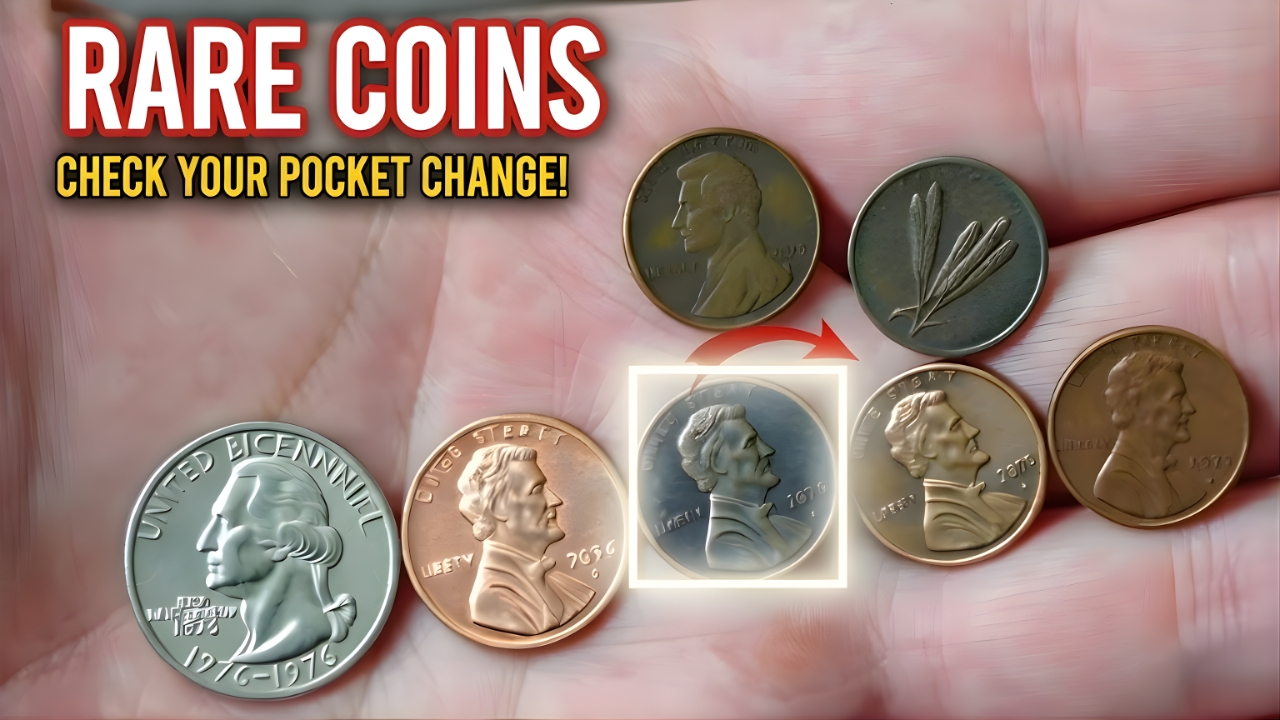
Wheat pennies, officially known as Lincoln Wheat Cents, have been a cornerstone of American coin collecting for over a century. Originally minted from 1909 to 1958, these coins feature Abraham Lincoln on the obverse and wheat ears on the reverse. While they were once considered everyday change, many have grown into highly sought-after collectibles. Over the past decade, the value of Wheat Pennies has seen remarkable trends, reflecting both collector demand and market dynamics.
As 2026 unfolds, understanding these trends is essential for both seasoned collectors and newcomers seeking to identify valuable coins. From common dates that have appreciated steadily to rare pennies that have surged into six-figure valuations, the last ten years offer a clear view of the evolving Wheat Penny market.

The Historical Significance of Wheat Pennies
Lincoln Wheat Pennies were introduced in 1909 to commemorate the 100th anniversary of Abraham Lincoln’s birth. Designed by Victor David Brenner, they were the first U.S. coins to feature a real person instead of symbolic imagery. The coins quickly became popular, both as currency and as keepsakes.
Over nearly five decades of production, billions of Wheat Pennies were minted, with variations in dates, mint marks, and compositions creating a diverse collecting landscape. Early coins, particularly those from 1909 and coins with low mintages or errors, have long been considered the most valuable. The appeal of Wheat Pennies lies not only in their historical significance but also in their accessibility, allowing collectors to build sets spanning decades.

The Past Decade in Wheat Penny Values
From 2016 to 2026, Wheat Penny values have demonstrated a consistent upward trend. While most circulated coins remain worth only a few cents above face value, certain rare dates, mint marks, and error coins have seen dramatic appreciation. Over the last ten years, coins such as the 1909-S VDB, 1914-D, and 1922 no-D have experienced significant increases in value due to their scarcity and high demand among collectors.
In addition to rare dates, coins in exceptional condition have also appreciated markedly. Uncirculated pennies from popular dates that were preserved in mint sets or carefully stored by collectors have become highly sought-after. Over the last decade, the market for high-grade Wheat Pennies has expanded, driven by professional grading services and online marketplaces that make rare coins more accessible to a global audience.
Impact of Mint Marks on Value
Mint marks play a crucial role in determining Wheat Penny values. Coins were produced at the Philadelphia, Denver, and San Francisco mints, with the Philadelphia mint using no mark, Denver marked with a “D,” and San Francisco with an “S.” Variations in production numbers at each mint contribute to scarcity and value differences.
Over the past decade, collectors have increasingly prioritized acquiring complete mint mark sets. Low-mintage coins or those from mints with limited output in a given year command significant premiums. In particular, coins such as the 1909-S VDB and the 1914-D have consistently ranked among the most valuable due to their rarity and historical significance.
The Role of Condition and Grading
Condition has always been a determining factor in coin value, but over the last ten years, its impact has grown even more pronounced. Coins are graded on a scale from 1 to 70, with higher grades indicating better preservation. Coins in top grades, such as MS65 or higher, are considered condition rarities.
Professional grading has helped standardize the market and assure buyers of a coin’s authenticity and condition. Over the past decade, the value of high-grade Wheat Pennies has risen sharply, with well-preserved coins achieving prices far beyond what circulated examples command. This trend reflects increased collector awareness and the willingness to invest in premium pieces.
Rare Varieties and Errors Driving Market Growth
Error coins and unusual varieties have been a key driver of value growth over the past ten years. Coins with doubled dies, off-center strikes, or missing letters attract collector attention and often command extraordinary prices. These anomalies are rare, creating excitement in the market whenever they are discovered.
Between 2016 and 2026, several previously overlooked varieties have gained recognition, pushing values higher. Collectors now pay close attention to subtle differences in design and minting, recognizing that even small anomalies can significantly impact a coin’s market value.

Price Trends in Common Dates
Even common Wheat Pennies have appreciated over the last decade. Coins in circulated condition from later years, such as the 1940s and 1950s, have gradually increased in value due to growing collector interest and inflation in the numismatic market. While these coins do not approach the value of rarities, their steady growth demonstrates the broader upward trend in Wheat Penny collecting.
Collectors who purchased common dates in excellent condition ten years ago have seen a modest but consistent return on investment. This trend highlights the importance of preservation and careful storage for long-term value retention.
The Influence of Online Marketplaces
The expansion of online coin marketplaces has had a significant impact on Wheat Penny values over the last decade. Platforms that allow buyers and sellers to connect globally have increased demand for rare coins and facilitated access to top-grade examples. Auction results and sales data from these platforms provide transparency and help establish market trends, further fueling appreciation.
Collectors now have more tools than ever to research, authenticate, and acquire valuable Wheat Pennies. This accessibility has contributed to rising values, as competition among collectors drives prices higher.
The Psychology of Collecting and Market Behavior
Collector behavior plays a crucial role in the valuation of Wheat Pennies. Scarcity, historical significance, and the prestige of owning rare or high-grade coins create intense demand. Over the past decade, the desire to complete date and mint mark sets has fueled market growth.
High-value sales often inspire renewed interest in the hobby, prompting collectors to search through old collections, coin jars, and inherited holdings. This cycle of discovery and demand continues to support the upward trend in Wheat Penny values.

Lessons for Modern Collectors
The past ten years of Wheat Penny price trends provide several important lessons for collectors. Preserving coins in high-grade condition is essential, as condition significantly influences value. Understanding mint marks, rare dates, and error varieties can help identify potential high-value coins.
Collectors are also encouraged to stay informed about market trends, recent auction results, and grading developments. Awareness of the market allows collectors to make educated decisions when buying, selling, or evaluating their collections.

Looking Ahead: Wheat Penny Values Beyond 2026
As 2026 progresses, Wheat Penny values are likely to continue reflecting a combination of rarity, condition, and market demand. Coins from historically significant years or those in exceptional condition will remain highly sought-after. Emerging interest in previously overlooked varieties could also drive new appreciation.
The last decade has demonstrated that Wheat Pennies are more than nostalgic keepsakes; they are valuable collectibles with enduring appeal. Collectors who understand the market and preserve their coins carefully are well-positioned to benefit from continued growth in value.
Final Verdict
Over the past ten years, Wheat Penny values have shown consistent growth, driven by rarity, condition, mint marks, and collector demand. While most circulated coins remain modestly priced, rare dates, high-grade examples, and error coins have achieved remarkable appreciation.
Understanding these trends is essential for collectors seeking to make informed decisions in 2026. Wheat Pennies continue to offer both historical significance and investment potential, making them a cornerstone of American coin collecting.
Disclaimer
This article is intended for informational purposes only. Coin values vary depending on condition, rarity, market demand, and professional authentication. The trends discussed reflect historical observations and should not be considered financial advice. Readers are encouraged to consult professional appraisers and grading services before making collecting or investment decisions.