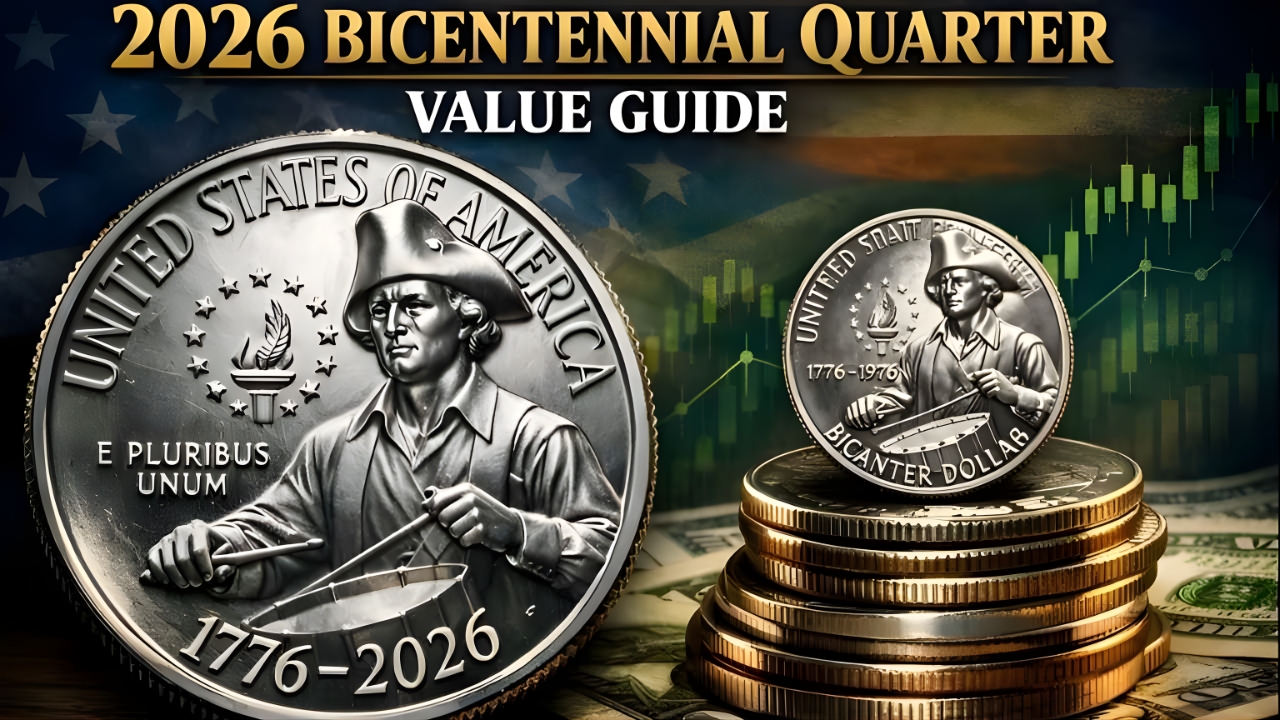
The Bicentennial quarter remains one of the most recognizable and widely discussed coins in modern American numismatics. First issued to commemorate the 200th anniversary of American independence, this special quarter stands apart from regular issues thanks to its unique design and historical significance.
As of 2026, interest in Bicentennial quarters has surged once again, with collectors closely examining values, rare varieties, and condition-sensitive examples that continue to gain attention. While many Bicentennial quarters are still common, certain coins have become highly desirable and are actively chased by collectors.

The Historical Importance of the Bicentennial Quarter
The Bicentennial quarter was produced during a time of national celebration and pride. Unlike standard quarters that feature a traditional eagle on the reverse, the Bicentennial quarter displays a colonial drummer accompanied by a torch and stars, symbolizing the spirit of the American Revolution. The dual date marking of 1776–1976 further distinguishes it from all other Washington quarters.
This coin was never intended to be rare, as millions were minted for circulation. However, its historical context and distinctive design ensured that it would always hold a special place in American coinage. Over time, this importance has translated into steady collector interest, particularly as fewer high-quality examples remain in circulation.

Understanding Why Some Bicentennial Quarters Are Valuable
Not all Bicentennial quarters carry significant value, but collectors know that rarity is not determined solely by mintage numbers. Factors such as condition, metal composition, minting errors, and preservation play a major role in determining worth. In 2026, collectors focus heavily on quality rather than quantity.
Coins that appear identical at first glance can differ dramatically in value depending on strike sharpness, surface quality, and originality. This is why some Bicentennial quarters remain worth face value while others command strong premiums in the collector market.

Circulation Versus Special Strikes
Bicentennial quarters were produced for everyday circulation as well as in special collector formats. Circulation strikes were made for general use, while special strikes were included in mint-issued sets intended for collectors. These special versions often exhibit cleaner surfaces and stronger details.
Collectors in 2026 pay close attention to these differences. Coins originally preserved in protective packaging tend to survive in much better condition than those that circulated for decades. This gap in preservation is one of the main reasons values vary so widely today.
The Role of Condition in 2026 Values
Condition has become the defining factor in Bicentennial quarter values. Most examples found in pocket change show signs of wear, including dull surfaces and softened details. These coins are generally valued for their novelty rather than investment potential.
High-grade examples, especially those with sharp details and original luster, are far scarcer. As time passes, truly pristine Bicentennial quarters become harder to find. In 2026, collectors are willing to pay substantial premiums for coins that appear nearly untouched, even if the coin itself is not rare by mintage standards.
Mint Marks and Collector Focus
Bicentennial quarters were struck at different U.S. Mint facilities, and mint marks continue to matter to collectors. While all mints produced large quantities, subtle differences in strike quality and survival rates influence demand.
Collectors often compare coins from different mints to identify those with superior eye appeal. Over time, certain mint-marked coins develop stronger reputations among enthusiasts, particularly when they consistently appear in higher grades.

Silver Bicentennial Quarters and Their Appeal
One of the most sought-after categories in 2026 is the silver Bicentennial quarter. These coins were produced specifically for collectors and contain a higher silver content than standard circulation issues. Their intrinsic metal value provides a baseline worth that helps protect against market fluctuations.
Beyond silver content, these quarters often display exceptional craftsmanship. Collectors appreciate their weight, finish, and historical presentation. As silver prices and collector demand rise, these coins continue to attract attention from both numismatists and precious metal enthusiasts.
Mint Errors That Drive Collector Excitement
Mint errors are among the most exciting aspects of Bicentennial quarter collecting. Errors such as doubled details, off-center strikes, die cracks, and planchet issues can significantly increase a coin’s value. These anomalies are rare because they were never intended to exist.
In 2026, collectors actively search for Bicentennial quarters with subtle but verifiable errors. Even minor irregularities can elevate a coin’s status if authenticated by professionals. Error coins often become conversation pieces that spark competition among collectors.
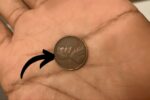
Why Bicentennial Quarters Are Still Being Discovered
One reason Bicentennial quarters remain popular is their accessibility. Many were saved as souvenirs, placed in drawers, jars, or old collections. As these collections resurface, new examples enter the market, sometimes revealing coins in unexpectedly high condition.
This ongoing discovery process keeps the market dynamic. Collectors understand that while most finds are ordinary, the occasional standout coin makes searching worthwhile. The possibility of uncovering a premium example adds excitement to the hobby.

Market Trends Influencing 2026 Values
In 2026, the market for Bicentennial quarters reflects a broader trend toward quality-focused collecting. Rather than accumulating large quantities of average coins, collectors are concentrating on fewer pieces with superior condition or unique characteristics.
This shift has supported rising prices for top-tier Bicentennial quarters while leaving common examples relatively unchanged. The market rewards patience, knowledge, and careful selection rather than speculation.

The Importance of Authentication and Grading
Professional grading has become increasingly important for Bicentennial quarters that appear exceptional. Certification confirms authenticity, assigns an objective grade, and provides confidence for buyers and sellers alike.
In a competitive market, graded coins often command stronger prices because they eliminate uncertainty. Collectors in 2026 view grading as an investment in credibility, especially for coins believed to be among the finest known examples.
Collecting Bicentennial Quarters for the Long Term
Many collectors approach Bicentennial quarters with a long-term mindset. Rather than chasing quick profits, they focus on historical enjoyment and gradual appreciation. This approach aligns well with the coin’s commemorative nature.
By selecting high-quality coins and preserving them carefully, collectors position themselves for potential future gains while enjoying a tangible connection to American history.
The Emotional Appeal of a National Commemorative Coin
Beyond monetary value, Bicentennial quarters carry strong emotional appeal. They represent a moment when the entire nation paused to reflect on its origins. For many collectors, this emotional connection adds meaning that goes beyond price charts.
This sense of shared history helps sustain interest across generations. Even collectors who do not specialize in quarters often keep at least one Bicentennial example as a reminder of its significance.
Final Verdict
In 2026, the Bicentennial quarter remains a fascinating blend of history, accessibility, and collectible potential. While most examples remain common, high-grade coins, silver issues, and genuine mint errors continue to attract strong collector interest.
Values are driven less by age and more by condition, rarity of quality, and uniqueness. For collectors willing to look closely and learn the nuances of this iconic coin, the Bicentennial quarter still offers rewarding opportunities and enduring appeal.
Disclaimer
This article is intended for informational purposes only. Coin values can vary widely based on condition, rarity, market demand, and authenticity. Not all Bicentennial quarters are rare or valuable. Readers should seek professional numismatic evaluation before making any buying or selling decisions related to coin collecting.