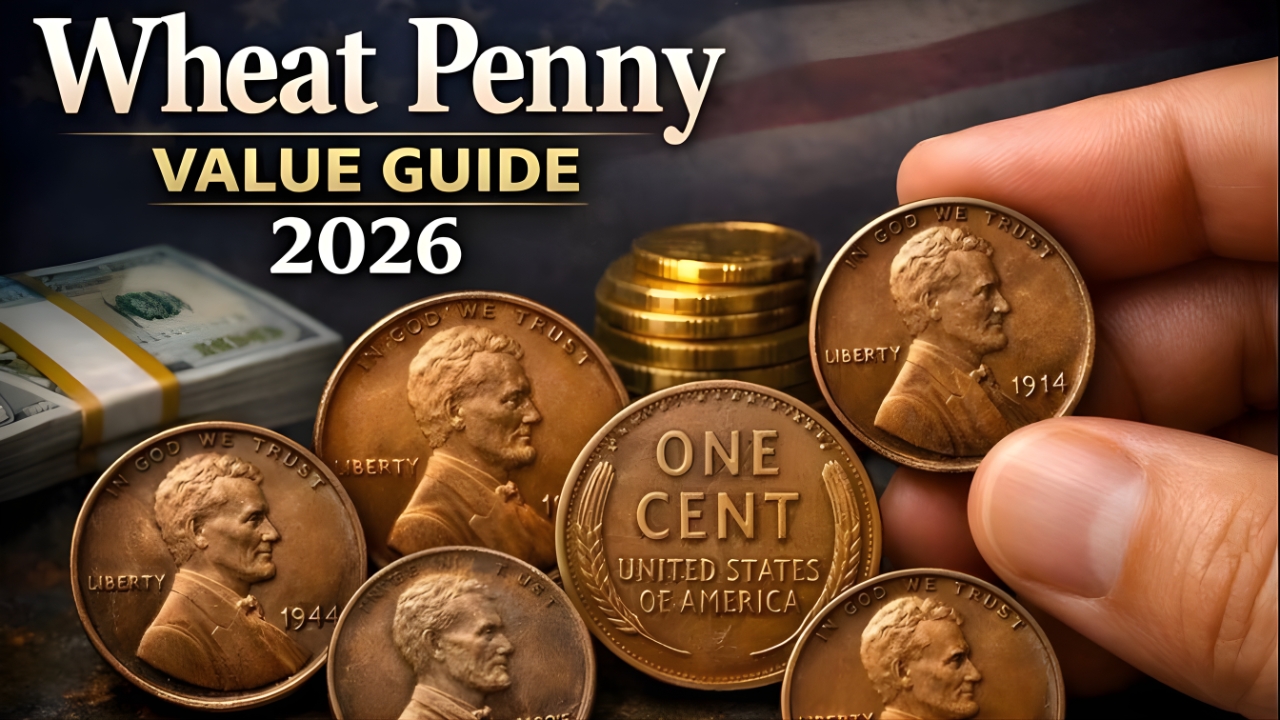
The Lincoln penny has long been one of the most collected and cherished coins in American numismatics. First introduced in 1909 to commemorate President Abraham Lincoln’s 100th birthday, this humble coin has grown in significance among collectors due to its historical value, rare dates, and minting errors. As we move into 2026, understanding the value of Lincoln pennies whether for seasoned collectors or casual enthusiasts requires knowledge of rare years, notable errors, and current market trends. This guide provides a detailed overview of Lincoln penny values, highlighting the coins that are most sought after today.
Collectors often find Lincoln pennies appealing not only because of their history but also due to the wide range of variations that exist. These variations can arise from different minting locations, production mistakes, or unique features that distinguish one penny from another. In addition, the condition of the coin plays a significant role in determining its market value, making grading an essential part of the collecting process.
History of the Lincoln Penny
The Lincoln penny debuted in 1909 as a tribute to Abraham Lincoln, becoming the first U.S. coin to feature a real historical figure. Initially designed by Victor David Brenner, the coin’s obverse features a detailed portrait of Lincoln, while the reverse has undergone several redesigns over the decades. Early pennies, particularly those produced in 1909, are among the most valuable due to limited mintage and the historical significance of their release.
Over the years, the Lincoln penny has been minted in multiple compositions. The original 1909-1942 coins were primarily made of copper, while later versions included zinc and other alloys. These material changes, combined with minting variations, contribute to the collectability of certain dates and types. As collectors study these coins, they often focus on rare years, mintmarks, and error coins that can significantly increase a penny’s value.
Rare Lincoln Penny Dates to Watch
Certain Lincoln pennies are particularly valuable due to their rarity. Among the most notable are the 1909-S VDB pennies. These coins were minted in San Francisco and bear the initials of Victor David Brenner on the reverse. Due to their low production numbers, they remain some of the most sought-after Lincoln pennies among collectors.
Other rare dates include the 1914-D Lincoln penny, which was also minted in limited quantities in Denver, and the 1922 no D penny, which is considered an error due to missing mintmark. Collectors also pay close attention to key years in the Wheat Penny series, spanning 1909 to 1958, and the Lincoln Memorial reverse pennies, minted from 1959 to 2008, which include notable low-mintage coins and variations.
Understanding which dates are rare helps collectors focus on pieces that are more likely to appreciate in value. For many, these pennies represent both a financial investment and a way to preserve a piece of American history.
Lincoln Penny Mint Errors
Mint errors are another key factor that can drastically increase a penny’s value. These errors occur during production and can include off-center strikes, double dies, repunched mintmarks, and planchet flaws. Coins with significant errors are often highly desirable because they are unique and rare.
A famous example is the 1955 double die Lincoln penny, where the date and inscriptions appear doubled due to a misalignment during the minting process. This coin has become one of the most recognizable and valuable modern errors. Other notable errors include the 1972 double die and the 1983 double die varieties. Collectors actively search for these anomalies because even minor mint errors can elevate the coin’s market value substantially.
Grading and Condition
The condition of a Lincoln penny is a critical factor in determining its value. Coins are typically graded on a scale from Poor to Mint State, with additional distinctions for nearly flawless examples. The higher the grade, the more valuable the coin is, particularly for rare dates or error coins.
Uncirculated pennies, which show no signs of wear, can command significantly higher prices than coins in circulated condition. Similarly, coins that have been professionally graded and encapsulated by a recognized service, such as the Professional Coin Grading Service (PCGS) or Numismatic Guaranty Corporation (NGC), often sell for a premium. Collectors must carefully assess coins for wear, scratches, and other imperfections to accurately determine their market value.
Lincoln Penny Collector Prices in 2026
As of 2026, Lincoln penny values vary widely depending on rarity, condition, and historical significance. Common circulated pennies from the 1970s and later may only be worth face value or a few cents, while rare early pennies or significant errors can sell for thousands of dollars.
For example, a 1909-S VDB in excellent condition can fetch prices in the tens of thousands, while the 1914-D penny, particularly in high grades, remains one of the most coveted coins for serious collectors. Modern error coins, such as double dies from the 1950s through the 1980s, also maintain strong market demand, often commanding hundreds to thousands of dollars depending on the specific variety and condition.
Market trends fluctuate based on collector interest, economic conditions, and the availability of coins. Keeping track of auctions, coin shows, and dealer listings helps collectors stay informed about the current values of Lincoln pennies. Additionally, rare coins with verified provenance or certificates of authenticity are often more appealing to buyers.
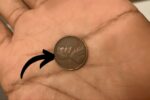
Tips for Collectors
Collectors seeking to invest in Lincoln pennies should focus on verified rare dates, high-quality examples, and notable errors. It is also essential to store coins properly to prevent damage, such as using protective holders and avoiding exposure to moisture and extreme temperatures.
Learning to identify mintmarks, date variations, and error types is crucial. Collectors can use reference books, online guides, and numismatic resources to better understand what makes a Lincoln penny valuable. Patience and research often pay off, as building a high-quality collection requires time and careful selection.

Networking with other collectors, attending coin shows, and consulting with reputable dealers can also help enthusiasts gain insights into market trends and acquire rare pennies at fair prices. Understanding the history, rarity, and grading of each coin ensures that collectors make informed decisions and preserve the value of their collection over time.
Lincoln Penny as a Historical and Investment Asset
Beyond its monetary value, Lincoln pennies carry historical significance, representing over a century of American culture, politics, and coinage. Collecting these coins allows enthusiasts to connect with the past while potentially building a valuable investment. Rare and well-preserved pennies are considered both collectible and financially rewarding, making them appealing to a wide range of buyers.
Investing in Lincoln pennies requires balancing passion with market knowledge. Serious collectors often focus on high-grade coins and rare errors, while casual enthusiasts may enjoy collecting coins for their historical and aesthetic appeal. In either case, understanding the nuances of rarity, condition, and market value is essential for making informed choices.
Final Verdict
The Lincoln penny remains one of the most iconic and collectible coins in American history. In 2026, collectors continue to seek rare dates, notable mint errors, and high-grade examples for both historical interest and potential investment value.

Understanding the nuances of coin grading, rarity, and market trends is essential for building a valuable collection. Whether for personal enjoyment or financial appreciation, Lincoln pennies provide a tangible connection to American history and a rewarding pursuit for collectors of all levels.
Disclaimer
This article is for informational purposes only. Coin values, market trends, and availability may vary and are subject to change over time. Readers are advised to consult official numismatic sources, certified dealers, or professional grading services for the most accurate and up-to-date information before making any buying or selling decisions.