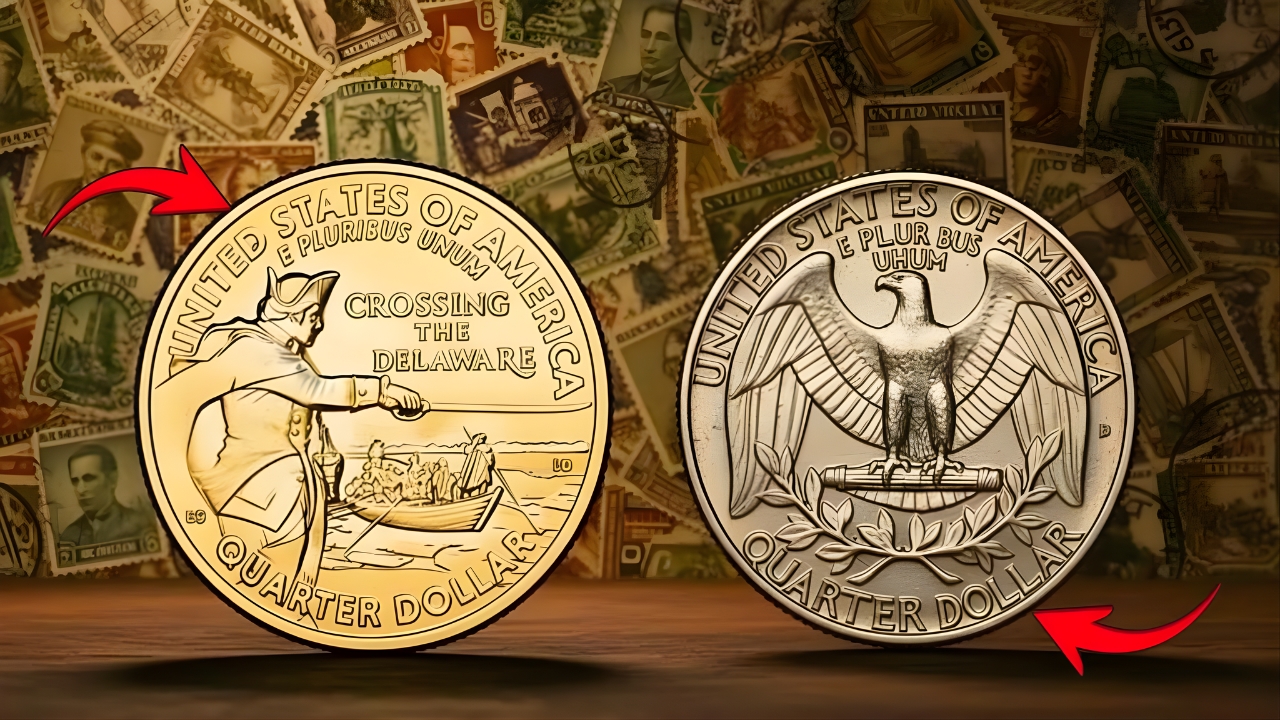
The Washington quarter is one of the most familiar coins in American circulation, yet beneath its common appearance lies a world of extraordinary value. While countless quarters have passed through everyday hands since the series began, a small number of Washington quarters have achieved legendary status among collectors.
Some of these coins are now worth thousands of dollars, and in rare cases even more, driven by scarcity, historical context, and remarkable preservation. This growing interest has encouraged collectors and casual coin holders alike to take a closer look at quarters that may have been overlooked for decades.
The Origins of the Washington Quarter
The Washington quarter was introduced in 1932 to commemorate the 200th anniversary of George Washington’s birth. Originally intended as a one-year commemorative issue, its popularity led to its adoption as a permanent design for the quarter dollar. Sculpted by John Flanagan, the coin featured a dignified portrait of Washington on the obverse and an eagle perched with wings spread on the reverse.
Early Washington quarters were struck in 90 percent silver, a composition that alone gives them intrinsic value today. Beyond their metal content, these early issues reflect a transitional period in American coinage, making them especially appealing to collectors. The combination of patriotic symbolism, silver composition, and limited early mintages laid the foundation for long-term numismatic interest.
Why Most Washington Quarters Remain Common
Despite the attention given to rare examples, the majority of Washington quarters are common and modest in value. Millions were minted each year across multiple U.S. Mint facilities, ensuring widespread availability. Many circulated heavily, resulting in worn details and diminished luster.
Later Washington quarters, particularly those minted after 1964, were produced in copper-nickel clad compositions rather than silver. These coins were intended for everyday use, not long-term preservation, and most remain worth only face value unless they are in exceptional condition or display unusual characteristics. This abundance makes truly valuable Washington quarters stand out dramatically.

The Power of Key Dates and Low Mintages
Some Washington quarters command thousands of dollars because they were minted in limited quantities or during years when production was unusually low. Collectors often focus on early dates, especially from the 1930s, when mintages varied widely between facilities.
Coins struck at branch mints such as Denver and San Francisco can be particularly valuable when their production numbers were low. When these quarters survive in high grades, their scarcity becomes even more pronounced. A combination of low mintage and strong demand can quickly push prices into the thousands, especially for collectors seeking to complete full date and mint mark sets.
The Role of Condition in High-Value Quarters
Condition is one of the most decisive factors in determining a Washington quarter’s value. Coins that retain sharp details, original mint luster, and minimal surface marks are far rarer than heavily circulated examples. For early Washington quarters, finding a piece in near-perfect condition can be exceptionally difficult.
Professional grading services evaluate coins using strict standards, assigning numerical grades that reflect their state of preservation. Quarters that achieve top-tier grades often sell for exponentially higher prices than similar coins with minor wear. In some cases, the difference between a lightly worn coin and a pristine example can mean the difference between a modest value and a price in the thousands.
Silver Content and Its Lasting Appeal
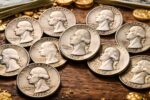
Washington quarters minted between 1932 and 1964 contain 90 percent silver, which gives them a base level of intrinsic value tied to precious metal prices. While silver content alone does not explain four-figure valuations, it adds an important layer of desirability.
Collectors often prefer silver-era quarters because they represent a bygone era of American coinage. When silver content is combined with rarity and exceptional condition, the result can be a coin that attracts fierce competition at auctions. Rising silver prices can also renew interest in these coins, bringing new collectors into the market.
Rare Varieties and Subtle Design Differences
Some of the most valuable Washington quarters owe their status to subtle design variations or minting anomalies. Small differences in lettering, spacing, or die characteristics can distinguish an ordinary coin from a rare variety.
These variations are often the result of changes in minting equipment or die preparation methods. Because they are not immediately obvious, many rare varieties went unnoticed for years. Today, collectors actively search for these details, knowing that a seemingly ordinary quarter could turn out to be a highly sought-after rarity.
Minting Errors That Drive Collector Frenzy
Minting errors add another layer of excitement to Washington quarter collecting. Errors occur when something goes wrong during the striking process, resulting in coins with unusual features such as doubled designs, off-center strikes, or incorrect planchets.
Error coins are inherently rare, as they were never intended for circulation. When an error appears on a popular series like the Washington quarter, collector interest can be intense. Well-documented errors in high condition can sell for thousands of dollars, especially if they are dramatic or visually striking.
Proof Quarters and Special Strikes
Proof Washington quarters were produced primarily for collectors, featuring sharper details and mirror-like surfaces. While many proof coins are common, certain years and varieties are exceptionally rare, particularly when preserved in flawless condition.
Special strikes and early proofs from transitional years can be especially valuable. These coins often exhibit superior craftsmanship and were produced in limited numbers. When such pieces survive without damage or mishandling, they become highly desirable to advanced collectors willing to pay premium prices.
The Psychology Behind High-Dollar Quarter Sales
Collectors are driven by more than just metal content and rarity. The psychology of completing a collection, owning a finest-known example, or securing a historically significant piece plays a major role in determining prices. When multiple collectors compete for the same rare Washington quarter, values can escalate rapidly.
A quarter that represents the final missing piece in a high-end collection may command far more than its typical market value. This competitive dynamic helps explain why some Washington quarters sell for thousands of dollars even when they appear similar to less valuable examples.

Common Misconceptions About Valuable Quarters
Stories of valuable quarters often lead to misunderstandings. Many people assume that any old Washington quarter is worth a fortune, which is rarely the case. Age alone does not guarantee value, and most circulated quarters remain common.
True value depends on a combination of factors including rarity, condition, authenticity, and demand. Understanding these elements helps collectors approach the hobby realistically and avoid disappointment. Education is essential for distinguishing genuine treasures from ordinary coins.
How to Examine Your Washington Quarters
Collectors and beginners alike can start by examining their quarters carefully under good lighting. Look for sharp details, original luster, and unusual features that set a coin apart. Checking dates and mint marks is essential, as certain combinations are far more valuable than others.
Coins that appear unusual or exceptionally well-preserved should be handled carefully by the edges and stored properly. Cleaning should always be avoided, as it can permanently damage a coin’s surface and reduce its value. Professional appraisal is the safest way to confirm whether a quarter has significant worth.
The Enduring Popularity of the Washington Quarter
The Washington quarter remains a cornerstone of American numismatics. Its long production history, patriotic design, and connection to silver coinage ensure ongoing interest from collectors of all levels. As new generations discover the hobby, demand for high-quality and rare examples continues to grow.
The fact that some Washington quarters are now worth thousands of dollars highlights the enduring appeal of this classic coin. It serves as a reminder that even familiar objects can hold extraordinary value under the right circumstances.
Final Verdict
Valuable Washington quarters prove that rarity, condition, and historical context can transform an everyday coin into a highly prized collectible. While most Washington quarters remain common, select examples with low mintages, rare varieties, minting errors, or exceptional preservation are commanding thousands of dollars from eager collectors right now. For those willing to learn and look closely, the Washington quarter offers both a fascinating connection to history and the possibility of discovering a true numismatic treasure.
Disclaimer
This article is for informational purposes only and does not constitute financial or investment advice. Coin values fluctuate based on market conditions, demand, authenticity, and condition. The prices discussed represent exceptional cases and are not typical for all Washington quarters. Readers should seek professional grading and appraisal before making any buying or selling decisions.