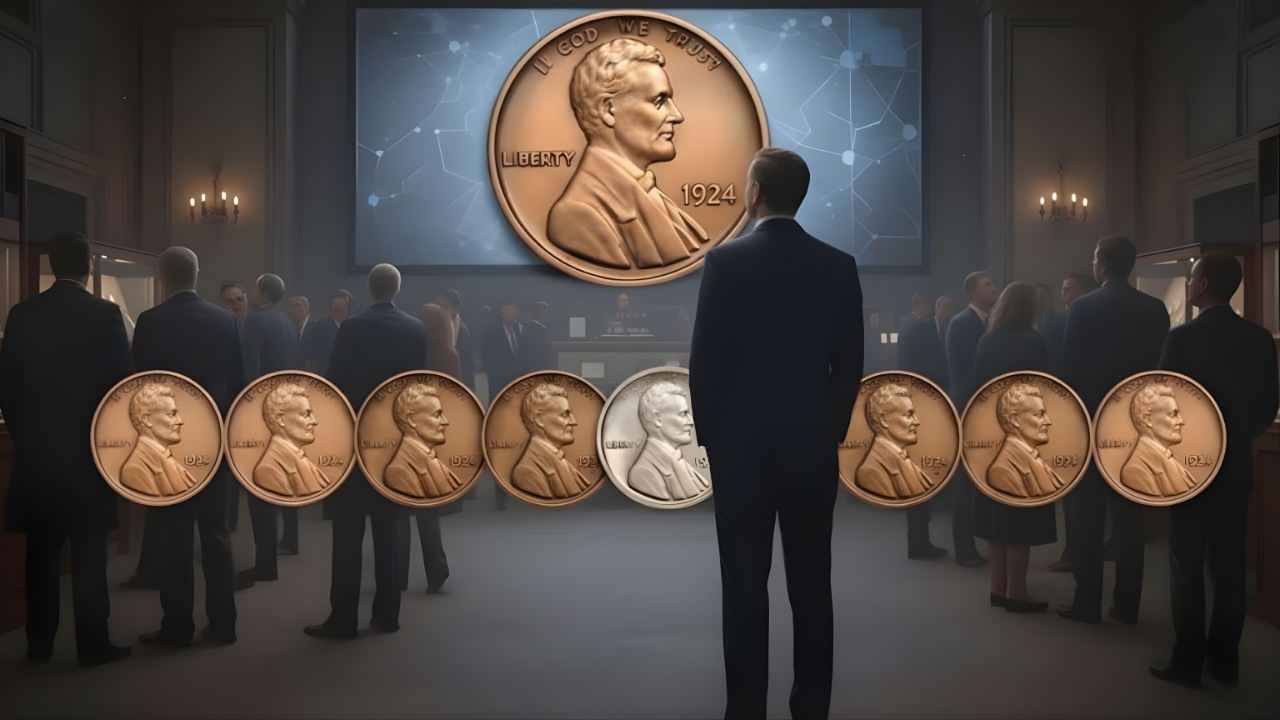
Wheat pennies, officially known as Lincoln Wheat Cents, have been a staple of American coin collecting for over a century. First issued in 1909, these coins feature Abraham Lincoln on the obverse and wheat ears on the reverse. While they were once everyday currency, certain dates, mint marks, and varieties have become highly sought-after collectibles. Over the last decade, Wheat Penny values have seen remarkable growth, with some coins now fetching hundreds of thousands of dollars.
The evolution of Wheat Penny prices from 2016 to 2026 reflects broader trends in numismatics, including increased collector interest, the impact of professional grading, and a rising market for rare coins. For collectors and investors alike, understanding these changes is essential to navigating the modern coin market.

The Historical Significance of Wheat Pennies
Wheat pennies were introduced to commemorate the centennial of Abraham Lincoln’s birth. Designed by Victor David Brenner, they were the first U.S. coins to feature a real person instead of symbolic imagery. The wheat ears on the reverse symbolized prosperity and agricultural heritage.
The coins were minted from 1909 through 1958, with billions produced over nearly five decades. Early dates and low-mintage coins quickly became the most valuable, while common dates remained accessible to casual collectors. The historical significance of Wheat Pennies, combined with their wide-ranging designs and mint marks, ensures enduring interest in the series.

The 2016 Wheat Penny Market
A decade ago, Wheat Penny collecting was already popular, but values were generally more modest than they are today. Rare coins such as the 1909-S VDB, 1914-D, and 1922 no-D were commanding thousands to tens of thousands of dollars, while most circulated pennies remained close to face value. Collectors focused on high-grade coins and sought-after varieties, often relying on traditional coin dealers and local auctions.
Professional grading was growing in importance in 2016, but the market had not yet fully embraced online platforms. This limited exposure for rare coins, which in turn affected pricing. Many coins of significant value were sitting unnoticed in private collections, waiting for discovery.
How Prices Have Changed Over the Last 10 Years
From 2016 to 2026, Wheat Penny values have surged across most categories, especially for rare dates and high-grade coins. Coins that were once valued at a few thousand dollars now command tens of thousands or more in auctions. Exceptional examples, such as the 1909-S VDB in top mint state, have seen price increases exceeding 200 percent.
Several factors contributed to this growth. The expansion of online marketplaces has connected buyers and sellers globally, increasing demand for rare coins. Professional grading has provided greater confidence in authenticity and condition, allowing high-grade coins to achieve premium prices. Additionally, inflation and broader interest in collectibles as alternative investments have pushed values upward.
Rare Dates Driving Market Growth
Certain Wheat Penny dates have seen the most dramatic appreciation. The 1909-S VDB remains one of the most valuable, with a combination of low mintage, historical significance, and collector demand driving prices into six figures. Other highly sought-after dates include the 1914-D, 1922 no-D, and 1931-S, all of which are scarce in uncirculated condition.
Collectors often seek these coins not only for their rarity but also to complete full date and mint mark sets. The scarcity of these dates in high grades ensures ongoing competition and rising prices. Over the past decade, the appreciation of these coins has significantly outpaced that of more common dates.
The Role of Condition and Grading
Condition is a decisive factor in Wheat Penny values. Coins are graded on a scale from 1 to 70, with higher grades reflecting better preservation. Uncirculated coins with full luster, sharp details, and minimal handling are especially valuable.
Professional grading services such as PCGS and NGC have helped standardize the market, providing buyers and sellers with confidence in authenticity and quality. Over the past ten years, high-grade Wheat Pennies have become increasingly rare, as older coins in excellent condition are limited in number. This scarcity has contributed to significant price appreciation for premium examples.

Error Coins and Varieties
Error coins and unusual varieties are another factor driving value growth. Wheat Pennies with doubled dies, off-center strikes, or missing letters are highly prized by collectors. Over the past decade, awareness of these rare varieties has increased, further pushing values upward. Even subtle anomalies can transform an otherwise ordinary penny into a highly desirable collectible.
Collectors who are able to identify such errors often find that their coins appreciate faster than standard issues, making these varieties an important aspect of Wheat Penny collecting in 2026.
Market Trends and Collector Behavior
The last ten years have seen a shift in how collectors approach Wheat Pennies. Increased access to auction data, online marketplaces, and grading services has fueled demand and informed pricing. Collectors are now more willing to invest in high-quality coins, recognizing both their historical significance and potential for appreciation.
The psychology of scarcity also plays a role. Rare coins that are condition rarities or feature unique varieties often spark intense competition among collectors. This competition drives prices higher, reinforcing the upward trend observed over the past decade.
Comparing 2016 and 2026 Values
A direct comparison of Wheat Penny values from 2016 to 2026 highlights the remarkable growth in the market. While common circulated pennies remain modestly priced, rare dates and high-grade examples have increased dramatically. Coins such as the 1909-S VDB, 1914-D, and 1922 no-D have more than doubled or tripled in value, depending on condition.
Even mid-range rarities, like the 1931-S or the 1943 copper penny, have seen significant gains. This trend reflects both the increasing interest in rare coins and the broader acceptance of numismatics as a collectible and investment category.

Preserving Your Collection
For collectors seeking to maintain or grow the value of their Wheat Pennies, proper preservation is essential. Coins should be stored in protective holders, albums, or airtight containers to prevent exposure to moisture, air, and temperature fluctuations. Handling coins by the edges and avoiding cleaning or polishing preserves their original surfaces and luster.
Regularly reviewing your collection for rare dates, mint marks, or unusual varieties is also important. Coins that appear exceptional or unique should be considered for professional grading to determine their true market value.

The Enduring Appeal of Wheat Pennies
Wheat Pennies remain one of the most popular and accessible collectibles in numismatics. Their combination of historical significance, artistic design, and potential investment value ensures continued interest among collectors of all levels. Over the past decade, the steady rise in prices has reinforced their appeal, demonstrating that even century-old pennies can achieve remarkable value under the right circumstances.
Collectors are reminded that knowledge, careful preservation, and attention to rarity and condition are key to success in Wheat Penny collecting. Coins once considered everyday change can now be treasured assets for enthusiasts and investors alike.
Final Verdict
Over the past ten years, Wheat Penny values have experienced substantial growth, particularly for rare dates, high-grade examples, and error coins. Comparing 2016 prices to 2026 highlights the impact of collector demand, professional grading, and market awareness on pricing.
While most circulated pennies remain modestly valued, exceptional examples now command thousands of dollars, underscoring the enduring significance and investment potential of Wheat Pennies. Collectors should examine their holdings carefully, preserve coins properly, and consider professional grading to fully understand and realize the value of their collections.
Disclaimer
This article is intended for informational purposes only. Coin values can vary significantly depending on rarity, condition, market demand, and professional authentication. The trends and prices discussed reflect historical observations and should not be considered financial advice. Readers are encouraged to consult professional grading and appraisal services before making any collecting or investment decisions.